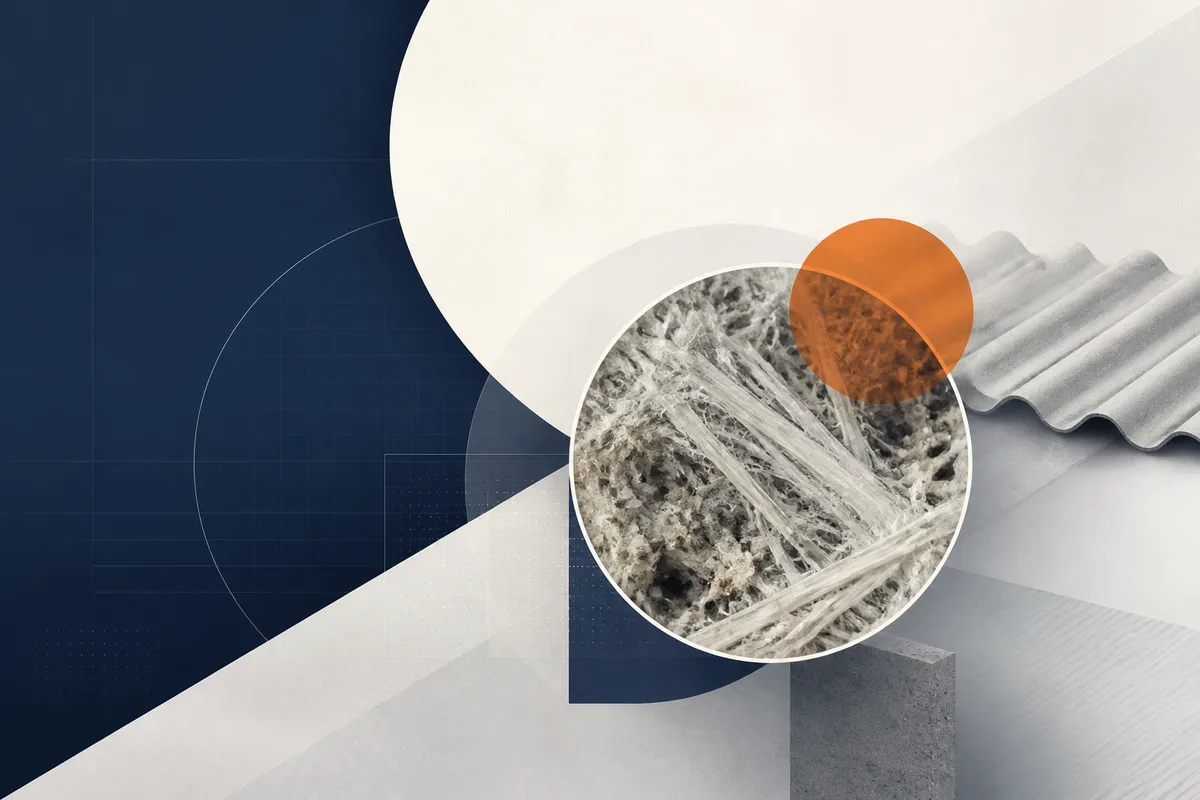
The Seller’s Guide to Asbestos Disclosures and Risk Mitigation
In the local real estate market, transparency is not just an ethical choice; it is a legal safeguard. Sellers often fear that mentioning asbestos will kill a deal, but the reality is that undisclosed hazards are far more likely to trigger litigation or rescinded offers. When a buyer discovers friable pipe insulation or damaged floor tiles after closing, the focus shifts from a simple negotiation to a question of statutory compliance.
Navigating asbestos disclosure requirements California mandates requires a transition from "don't ask, don't tell" to a strategy of proactive documentation. This guide outlines the specific obligations for sellers and the protections available to buyers when dealing with hazardous materials in residential or commercial properties.
Why disclosure failure creates long-term liability
Failing to report known hazards often stems from a misunderstanding of the Transfer Disclosure Statement (TDS). In California, the Disclosures in Real Property Transactions handbook clarifies that sellers must disclose significant defects or malfunctions in the property, including environmental hazards. According to California Civil Code Section 1102, sellers are required to disclose known asbestos-containing materials on the Transfer Disclosure Statement (TDS).
- Nondisclosure can be viewed as fraud or misrepresentation if the seller had prior knowledge of the material.
- Undiscovered asbestos can lead to construction delays if the buyer intends to remodel immediately after closing.
- Undisclosed hazards can lead to legal disputes between the buyer and seller regarding the condition of the property at the time of sale.
- Professional abatement may provide clarity that prevents disputes often associated with post-sale discovery of hazards.
The framework for a compliant property transfer
Effective disclosure relies on objective data rather than guesswork. Following a structured process ensures that both parties are operating with the same set of facts before the contingency period ends.
1Identify high-risk materials
Older properties frequently contain asbestos in popcorn ceilings, vinyl floor tiles, and thermal duct insulation. Sellers should conduct a visual walkthrough to identify materials that may require testing if they appear damaged or are likely to be disturbed.
2Secure a professional asbestos inspection
A real estate asbestos inspection replaces ambiguity with lab-verified results. This step is critical because asbestos cannot be identified by sight alone; a technician must collect samples and submit them to a laboratory for analysis to confirm the presence and concentration of fibers.
3Document the condition of the material
Asbestos disclosure is the legal duty to unveil the location or threat of asbestos on a property. The disclosure should specify the location and condition of the material, which helps the buyer assess the risks and factor in potential abatement costs.
4Provide the Transfer Disclosure Statement
According to California law, anyone selling a residential property of four units or less must give the prospective buyer a Real Estate Transfer Disclosure Statement. The Disclosures in Real Property Transactions guidelines emphasize that this statement is a required disclosure for property transfers.
5Address buyer rights and requests
A buyer has the right to review all disclosures and, in many cases, negotiate repairs or credits based on the findings. In the Roseville service area, it is common for buyers to request a specialized inspection if the initial TDS suggests the presence of hazardous materials.
The impact of professional testing on transaction speed
While it may seem counterintuitive, having a completed asbestos survey on hand can actually speed up a sale. When a seller provides a testing report upfront, it eliminates the "fear of the unknown" that often causes buyers to back out during the inspection period. It allows for accurate contractor bidding if removal is required, preventing last-minute price re-negotiations that can derail a closing.
A proactive approach also shifts the burden of proof. By providing a comprehensive report, the seller demonstrates they have fulfilled their duty to disclose, making it significantly harder for a buyer to claim they were misled.
How Sacramento Asbestos Removal helps
Handling a property transaction requires clear documentation and a defined scope of work. A standard environmental survey involves identifying suspect materials, safe sample collection, and a detailed report that can be attached to a real estate disclosure package. For owners in Sacramento, this process ensures that any planned renovations or demolitions comply with local regulations. To coordinate a survey or discuss the removal of identified hazards, call (916) 884-5785 or visit the Sacramento Asbestos Removal website to request a consultation.
Frequently asked questions
Does a seller have to test for asbestos before selling a house with asbestos?
California law does not explicitly require a seller to perform new testing if they have no knowledge of asbestos. However, the state requires the seller to attest that they are aware of unsafe concentrations of or unsafe conditions relating to asbestos.
What are the buyer rights asbestos related during the contingency period?
Buyers typically have a window to perform inspections, including specialized environmental testing. California law allows buyers to assess the risks and factor potential abatement costs into their purchase decision.
Is popcorn ceiling considered a mandatory disclosure item?
Yes, if the seller knows or has reason to believe the ceiling contains asbestos, it must be disclosed on the TDS. If a seller has knowledge of the material, they must fulfill their legal duty to unveil the threat as part of the safety precautions for the property.
Can a seller be sued after the sale for not disclosing asbestos?
Yes, if a buyer can prove the seller knew about the hazard and withheld that information, the seller may face legal liability. This is why obtaining a professional survey is often viewed as a form of protecting against future litigation for the seller.
How does asbestos affect property value in Placer County?
The presence of asbestos requires careful management through disclosure or abatement. If the material is in a condition that requires professional intervention, the estimated cost of that abatement may be considered during price negotiations as buyers factor in future safety costs.
What happens when you get in touch: you describe the situation, we ask the few questions that actually change the answer, and you get a clear scope and next step — no obligation.