Vermiculite Attic Insulation: Why Not All Loose-Fill is Created Equal
Homeowners in Sacramento often mistake vermiculite for common gravel or harmless packing material. This lightweight, pebble-like mineral was a staple of residential builds for decades, prized for its fire resistance and insulating properties. However, a significant portion of the global supply was sourced from a mine that also contained a natural deposit of tremolite-actinolite asbestos, leading to widespread contamination of the product known as Zonolite.
This guide clarifies the specific hazards of vermiculite attic insulation risk and why the industry has shifted away from traditional testing toward a "presumed hazardous" management model. Whether you are planning a simple electrical upgrade or a full-scale remodel, understanding the distinction between modern loose-fill and legacy vermiculite is critical for site safety.
Why Standard Testing Often Fails Vermiculite
The traditional approach to hazardous materials involves taking a small sample and sending it to a lab. With vermiculite, this process is fundamentally flawed because the asbestos is not a manufactured additive; it is a natural contaminant.
- Asbestos fibers often settle at the bottom of the insulation layer, meaning a surface sample will miss the hazard entirely.
- Even if a sample tests at less than 1%, the EPA warns that the material remains dangerous because fibers are easily released when the piles are moved.
- The microscopic size of tremolite fibers means they can bypass basic dust masks and settle deep in the lungs.
- Variations in the mining process mean one bag of insulation in an attic could be clean while the bag next to it is highly contaminated.
The Professional Mitigation Framework
Managing vermiculite requires moving beyond simple cleanup toward full environmental containment. If a property owner suspects their insulation is vermiculite, the following steps represent the standard industry playbook for safe handling.
1Identify the Material Characteristics
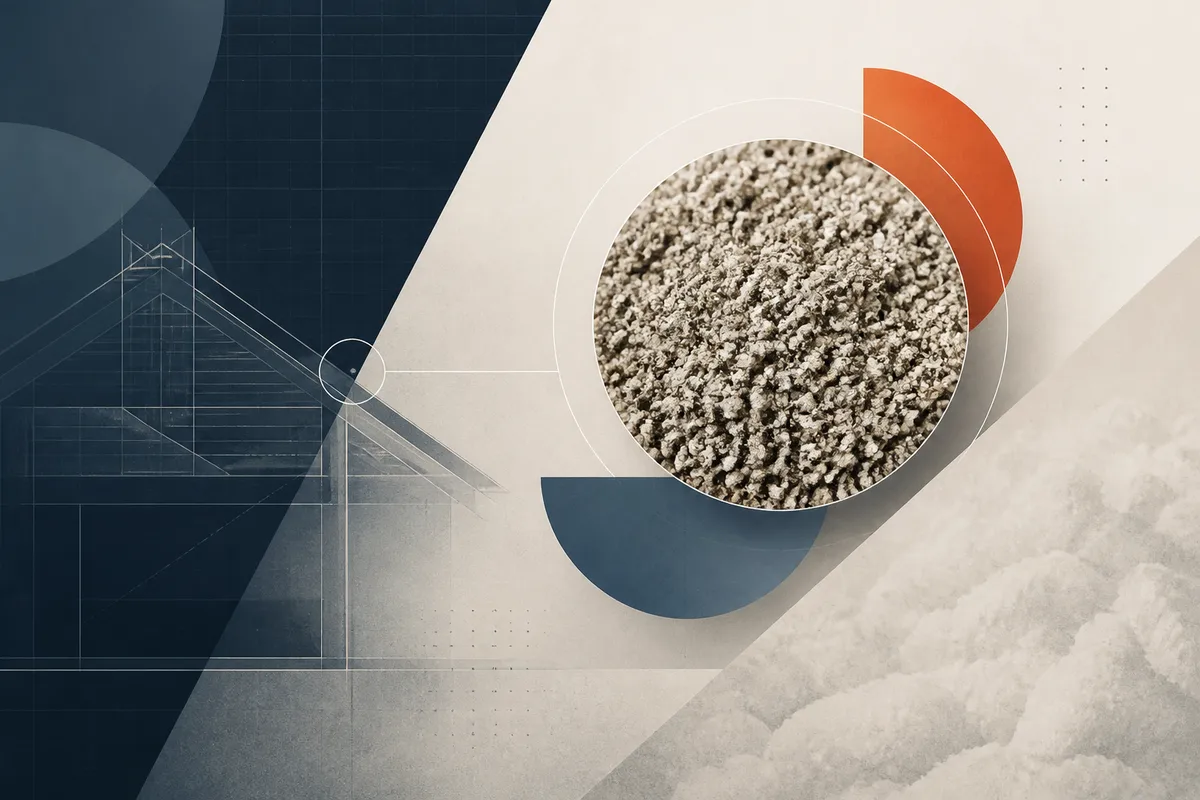
Vermiculite is typically silver-gold or brownish-gray and has a accordion-like, laminated structure. Unlike fiberglass batts or grey cellulose, vermiculite is a loose-fill mineral that looks like small, puffed stones. If the material has these visual markers, it should be treated as Zonolite attic insulation until proven otherwise by certified professionals.
2Isolate the Work Zone
Before any structural work begins, the attic must be isolated from the living space. This involves sealing off recessed lighting, attic hatches, and HVAC vents. Because Sacramento experiences significant temperature swings, ensuring the HVAC system is not pulling air from the attic during a survey is a critical safety measure.
3Conduct Specialized Asbestos Testing
Standard Point Counting methods are often required to detect low levels of asbestos in vermiculite. A professional asbestos testing and survey will determine the concentration and type of fiber present, which dictates the level of personal protective equipment (PPE) required for the crew.
4Execute a Wet-Method Removal
Dry-vacuuming vermiculite is a violation of safety protocols as it creates a massive cloud of toxic dust. Technicians typically use amended water to dampen the material, increasing its weight and preventing fibers from becoming airborne. The material is then extracted through high-powered, HEPA-filtered vacuum systems directly into sealed waste containers.
The Libby Montana Connection
The vast majority of vermiculite used in the United States between 1919 and 1990 came from a single mine in Libby, Montana. Because the ore was co-located with asbestos deposits, the finished insulation product was inadvertently mixed with needle-like asbestos fibers. This specific type of asbestos—tremolite—is considered particularly hazardous because of its thin, sharp shape.
The EPA's official stance is that you should assume vermiculite contains asbestos if it was installed during this era. This is why many real estate transactions in the Sacramento Valley stall when vermiculite is discovered; it is not just "old insulation," but a regulated hazardous waste that requires documented disposal.
How Sacramento Asbestos Removal Helps
Properly addressing attic contamination involves a comprehensive plan that covers local regulatory compliance and site-specific logistics. In the Sacramento area, property owners must coordinate with the Building Permits & Inspection Division for major renovations that might disturb structural components. A sound scope of work includes the setup of a three-stage decontamination shower for workers, negative air pressure machines to prevent dust migration into the home, and the safe transport of waste to an authorized landfill. For homeowners in the Roseville service area and surrounding communities, obtaining a detailed inventory of the attic contents is the first step toward a safe vermiculite removal project.
Frequently asked questions
Can I just cover the vermiculite with new fiberglass insulation?
While you can technically blow new insulation over the top, this is generally discouraged. Any future work, such as installing a new roof or running electrical wires, will disturb the buried vermiculite and create an inhalation hazard for anyone in the attic.
How do I know if my insulation is specifically the Zonolite brand?
It is almost impossible to tell the brand by looking at the loose material. Unless you find the original branded bags in the attic, the safest and most compliant route is to assume the material is Libby-source vermiculite and follow all EPA-recommended safety protocols.
Does Sacramento County require a permit for insulation removal?
While a permit may not be required for the act of removing insulation alone, any associated demolition, electrical work, or structural changes usually require oversight. Always check with the local building office at 9800 Goethe Road in Sacramento to ensure your project meets current safety and disposal codes.
If my test came back "non-detect," is the attic safe to enter?
A "non-detect" result in vermiculite is notoriously unreliable due to the uneven distribution of fibers. The EPA advises that even with a negative test, you should not disturb the material, use the attic for storage, or allow children to play in the area.
What is the most common way people are exposed to these fibers?
Exposure typically occurs during home maintenance. This includes pulling up floorboards, installing pot lights, or cleaning up dust that has sifted through cracks in the ceiling. Because the fibers are invisible to the naked eye, many people do not realize they have been exposed until the dust has already settled.
What happens when you get in touch: you describe the situation, we ask the few questions that actually change the answer, and you get a clear scope and next step — no obligation.